Interlocking Driveway Sealing St. Catharines
Ask a Question
Send us a note and we'll get back to you — usually within one business day.
Interlocking Driveway Sealing St. Catharines
If you’re staring at tired, faded, or weedy pavers and wondering how to protect your curb appeal for the long haul, Interlocking Driveway Sealing St. Catharines is likely top of mind. Driveway sealing isn’t just a cosmetic upgrade—it’s a real defense against Ontario’s freeze-thaw winters, humid summers, and the salt and grime that come with living in Niagara. Whether you’re in Old Glenridge, Port Dalhousie, or tucked into a new build off Martindale Road, you’ve seen what a properly sealed interlock surface can do: it stays vibrant, resists weeds, and handles weather with fewer stains or shifting. But what actually goes into getting it done right?
Serving the GTA and the surrounding area — see our coverage area below:
What Does Interlocking Driveway Sealing in St. Catharines Involve?
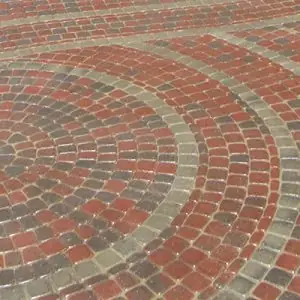
Interlocking Driveway Sealing St. Catharines means deep cleaning and professionally sealing your interlock pavers to protect them from water, salt, oil, and UV damage. It’s a multi-step process that starts with power washing and weed removal, then applying a specialized sealer to lock in colour and prevent shifting. Quality sealing stops moss, resists stains, and helps your driveway look sharp for years—even in Niagara’s tough climate.
Why St. Catharines Homeowners Need to Seal Interlock Driveways
St. Catharines isn’t gentle on driveways. We get wild temperature swings, ice storms, and plenty of humidity—just ask anyone who’s tried to keep pavers from lifting after a hard winter. Salt brine from snow clearing and the heavy rains off Lake Ontario definitely don’t help. Over time, you’ll notice:
- Sand and joint erosion, leading to loose or wobbly pavers
- Efflorescence (that powdery white haze) or dark stains from car leaks
- Moss, weeds, or ant hills popping up in every crevice
- Colours fading to a dull, patchy grey
Sealing is like giving your driveway a raincoat. It protects against all that while locking in the colour and making maintenance so much easier—you’ll spend less time pulling weeds or pressure washing, and more time actually enjoying your front yard.
What Proper Interlocking Sealing Looks Like: Step by Step
You’ve probably seen driveways where the sealer turned yellow, flaked off, or left a splotchy mess. That’s the result of rushed prep or the wrong product—something Ryan Leonard, owner of Seal Tech Inc, has fixed more than a few times across the GTA. Here’s how a professional, long-lasting Interlocking Driveway Sealing St. Catharines job should unfold:
1. Deep Cleaning & Surface Prep
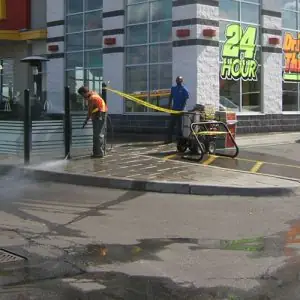
It all starts with a real, no-shortcuts cleaning. Ryan’s team uses high-pressure washers (not just a garden hose) to blast away dirt, old sand, moss, and any stains. If you’ve got oil spots or efflorescence, those get a targeted treatment—not just a once-over. This gives the sealer a clean surface to grip, so you don’t end up with peeling or patchy results.
2. Fixing Problem Areas
Sealing over loose, uneven, or gapped pavers is a recipe for disappointment. The pros at Seal Tech Inc check for:
- Pavers that have shifted, heaved, or sunk (common near downspouts or driveway edges)
- Cracked or missing joint sand
- Weeds, ant hills, or moss
Any issues are fixed first—sometimes that means re-leveling pavers or adding new polymeric sand. This step can easily add a few extra years of life to your driveway.
3. Joint Sanding
After cleaning and repairs, polymeric sand is swept between the pavers. This special sand hardens when wet, locking the bricks together and keeping out weeds and ants. If you’ve ever seen sand wash away after a big rain, this one detail makes a huge difference. Ryan always makes sure the sand is tamped and settled before sealing—no shortcuts here.
4. Choosing the Right Sealer
It’s not just “one sealer fits all.” Ryan selects the best product for your exact pavers, factoring in:
- The age and porosity of your interlock (newer concrete pavers can be much thirstier)
- Your desired finish (natural matte vs. wet-look gloss—think of the difference between classic and modern homes in Grapeview or Ridley Heights)
- Exposure to sun, shade, and vehicle traffic
Seal Tech Inc only uses professional-grade, breathable sealers that won’t trap moisture or peel off in sheets—unlike some big box store brands. This means your pavers can “breathe” through the seasons, reducing frost heave and the dreaded white haze.
5. Careful Application
Once everything’s prepped, the sealer is applied evenly—usually in two coats, with enough drying time in between. If you’ve ever tried this yourself and ended up with slippery patches or roller marks, you’ll appreciate the difference true experience makes. Ryan’s team even checks weather forecasts to avoid rain or dew, so your investment isn’t washed away overnight.
Common Mistakes in Driveway Sealing—and How Seal Tech Inc Avoids Them
When you’re researching Interlocking Driveway Sealing St. Catharines, you’ll see a lot of “budget” offers that skip steps or cut corners. Here’s what to watch out for—and how Seal Tech Inc stands apart:
- Quick, incomplete cleaning: Dirt or weeds left behind can trap moisture and ruin adhesion. Seal Tech uses commercial high-pressure systems for a true deep clean.
- Wrong or cheap sealer: Some sealers yellow in the sun, others trap moisture underneath. Ryan always matches the product to your surface and climate.
- No joint sand: Skipping polymeric sand means weeds and ants will be back by next spring. Seal Tech always restores joints as part of the process.
- Ignoring repairs: Sealing over cracks or uneven pavers just locks in existing problems. Ryan fixes the root issue first.
If you’re curious, you can see some of the “before and after” results over in their project gallery—it’s eye-opening what proper prep and the right product can do.
Materials and Options: What Actually Matters?
Sifting through all the interlock sealers and finishes can get overwhelming. Ryan’s advice? Start with these real-world considerations:
- Type of Sealer: Water-based sealers are breathable and eco-friendly, while solvent-based ones offer a glossier finish. What matters more is how well it matches your pavers and use case.
- Finish: Natural matte preserves the classic look (ideal for heritage homes near Montebello Park), while a “wet look” gloss pops colour but can get slippery in shaded spots.
- Longevity: Professional sealers last 2-5 years, depending on exposure and traffic. Ryan offers workmanship warranties, so you’re not left guessing.
And don’t forget maintenance: with a quality job, you’ll only need periodic washes and the odd touch-up—no more annual re-sanding and sealing.
Why Experience—and Accountability—Are Everything
After 15+ years cleaning, sealing, and restoring driveways across the GTA, Ryan Leonard’s seen it all: driveways on a slope that require extra drainage planning; heritage brick in Downtown St. Catharines that needs a gentler approach; or large commercial parking pads that can’t be blocked off for days. He brings that real-world, hands-on experience to every job. When you call Seal Tech Inc, you’re not getting a random crew—you’re working directly with Ryan and a team who know what works (and what definitely doesn’t) in our climate and soil.
That’s how the company has earned an A+ BBB rating, a 5.0 star average on Google, and a long list of loyal clients from Scarborough to Niagara. Every job is covered by a workmanship warranty, and Ryan is always happy to explain the “why” behind each step—no mystery charges, no rushed work. And if your project needs something extra (like garage floor epoxy or natural stone sealing), Seal Tech’s got you covered—see their full list of services here.
How to Know If Your Interlock Driveway Needs Sealing (or Resealing)
Not sure if it’s time? Take a close look at your driveway, and keep an eye out for:
- Pavers that look dull, faded, or spotty even after washing
- Sand loss or weeds sprouting between the joints
- Stains from leaves, oil, or tire marks that don’t come out easily
- Water that soaks in quickly instead of beading on the surface
Typically, driveways need resealing every 2-4 years—especially with St. Catharines winters. If it’s been a while since your last maintenance, or if you’re simply not sure what was used before, it’s worth getting a pro’s opinion. Ryan’s happy to walk the site with you and talk through what he sees—no pressure, just honest advice.
Frequently Asked Questions about Interlocking Driveway Sealing St. Catharines
How long does it take to seal an interlock driveway?
Most residential driveways can be prepped and sealed in one or two days, weather permitting. Larger or more intricate projects may take longer—especially if repairs or re-sanding are needed. Ryan always gives you a clear schedule upfront, so you know when you can walk or park on your driveway again.
Can I seal my interlock driveway myself?
You could, but you’ll need access to commercial-grade pressure washers, the right sealers for your specific pavers, and plenty of patience for prep work. DIY jobs often miss issues like invisible joint erosion or incomplete cleaning, which can mean redoing the work much sooner. Many homeowners call Seal Tech after a disappointing DIY attempt—sometimes it’s just not worth risking your curb appeal.
Will sealing make my driveway slippery?
Not if you use the right product and application method. Ryan can recommend a slip-resistant finish (especially for shaded or sloped areas), so you don’t end up skating to your front door. Pro-grade sealers offer great traction when applied properly—you’ll get the protection without the hazards.
What if I have old stains or efflorescence?
This is a common issue in St. Catharines, especially with older driveways. Seal Tech tackles problem areas with targeted cleaners and techniques before any sealer goes down. Don’t worry—Ryan’s seen (and solved) just about every odd stain out there.
Other Services That Pair Well With Interlocking Driveway Sealing
If you’re looking to really boost your curb appeal, many homeowners combine Interlocking Driveway Sealing St. Catharines with:
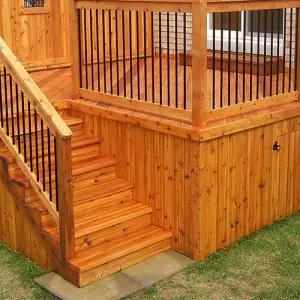
- Deck sealing and staining to refresh your backyard
- Garage floor epoxy for a clean, durable interior
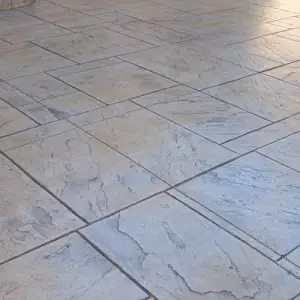
- Natural stone sealing for walkways or patios
You can check out more details or inspiration in their project gallery.
Ready to Protect Your Driveway? Get an Expert’s Eye on Your Project
Your driveway is the first thing guests and neighbours see—why not keep it looking sharp, protected, and weed-free for years? If you’re ready to talk about Interlocking Driveway Sealing St. Catharines, reach out directly to Ryan Leonard and the crew at Seal Tech Inc. Every quote is free, detailed, and comes with honest advice specific to your property and neighbourhood. Request your free quote today and discover what a difference real expertise makes.
Frequently Asked Questions
How long does it take to seal an interlock driveway in St. Catharines?
Most driveways are done in one or two days, depending on the size and if any repairs are needed. Weather can play a role, but you'll get a clear schedule upfront. That way, you'll know exactly when you can use your driveway again.
Can I seal my interlock driveway myself or should I hire a pro?
You could try it yourself, but it takes commercial-grade equipment, the right products, and a lot of prep work. DIY jobs often miss hidden issues like joint erosion or stains, making the results less durable. Many people end up calling a pro after a disappointing attempt, so sometimes it's just easier (and longer-lasting) to have it done right the first time.
Will sealing make my driveway slippery?
Not if you use the right sealer and method. There are slip-resistant finishes available, especially for sloped or shaded areas. With a pro application, you'll get protection and good traction—no need to worry about skating to your door.
What if I have old stains or efflorescence on my driveway?
That's super common with older driveways, and it can definitely be fixed. Stains and efflorescence get a targeted cleaning before any sealer goes down, so they don't get locked in. A professional has seen just about every type of stain and knows how to tackle them.
How do I know if my interlock driveway needs sealing or resealing?
Look for faded or spotty pavers, sand loss, persistent stains, or water that soaks in instead of beading up. Most driveways in St. Catharines need resealing every 2-4 years. If you're not sure, a quick professional assessment can give you peace of mind.
What finish options are there for interlock driveway sealing?
You can choose between a natural matte finish that keeps things classic, or a 'wet look' gloss that really makes the colour pop. The best option depends on your style, your paver type, and whether the area gets a lot of shade or sun.