
Natural Stone & Concrete Sealing in Toronto
Ask a Question
Send us a note and we'll get back to you — usually within one business day.
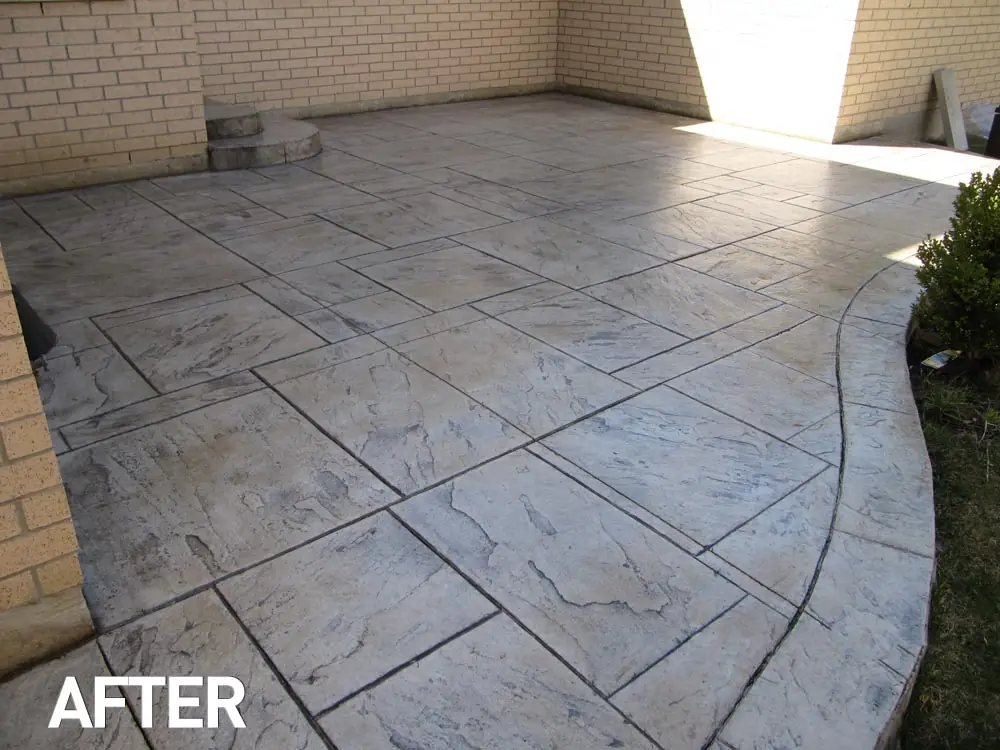
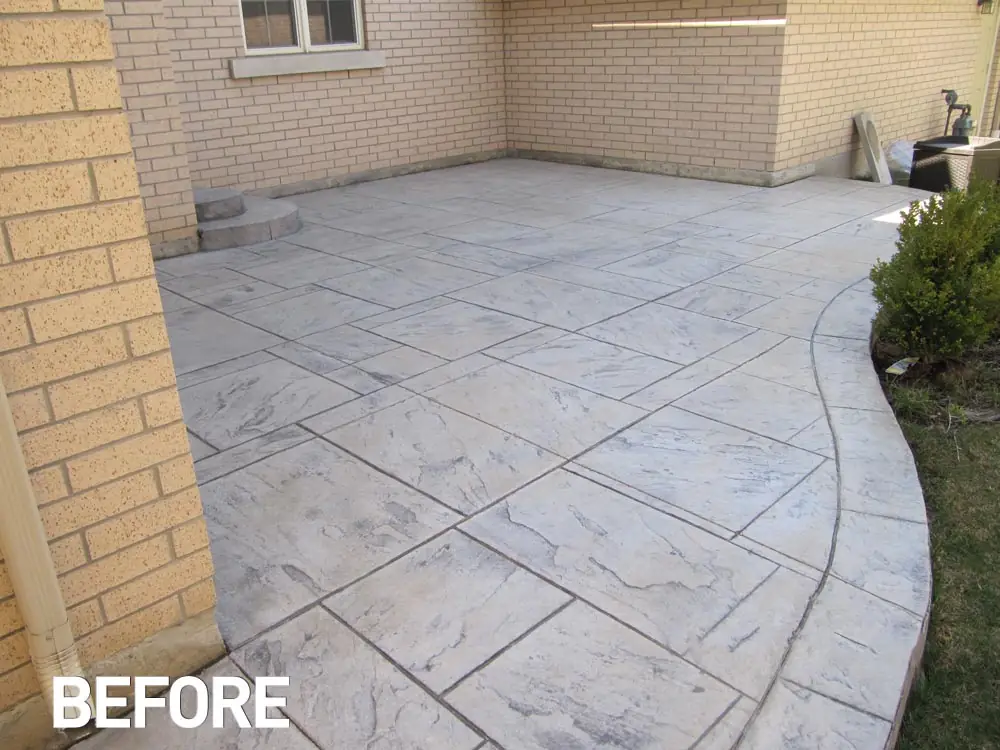
Why Stone and Concrete Sealing in Toronto Is Worth Doing Right
Stone and concrete sealing Toronto work is about more than a fresh shine. A good sealer keeps water, road salt and dirt out of the surface, so patios, walkways and driveways hold their colour and strength through every season. Seal Tech Inc. has been cleaning and sealing natural stone and pattern concrete for homeowners across the GTA for more than 15 years, and owner Ryan Leonard is on site for the work. We hold an A+ rating with the Better Business Bureau, have earned HomeStars' Best of award three years running, and are WSIB compliant. We start with a free written quote. You can see the difference in our gallery of before-and-after work.
Pattern (Stamped) Concrete Cleaning and Sealing
Pattern concrete is poured to look like stone, brick or tile, and it needs the same care as the real thing. Dirt and algae settle into the stamp lines, and sunlight slowly fades the colour. Off-the-shelf cleaners for concrete Toronto rarely reach deep enough, so we wash with a commercial high-pressure sprayer and a chemical wash that lifts stains and salt, then hand-scrub where needed so the surface is clean and smooth before any sealer goes on.
When you compare concrete sealing companies, look for a crew that cleans and seals as one process and stands behind the work. Once the surface is dry, we apply an overlapping coat of sealer in the finish you choose — natural, wet look semi-gloss or wet look high-gloss — and finish with a slip-resistant sealer as standard to reduce the danger of slipping on a wet driveway or patio. We guarantee our work, and the result is a cleaner, richer-looking surface that sheds water instead of absorbing it.
Natural Stone: Flagstone, Limestone and Armour Stone
Natural stone such as flagstone, limestone and armour stone brings texture and character to patios, steps, walkways and garden walls. It is also porous, so water, soil and stains work their way in over time. Some stains can be permanent and cannot be removed by any process, which is why sealing before staining starts is the safer path.
We clean each surface carefully, then seal it to slow water absorption and keep the stone looking the way it should. Good stone sealing Toronto work brings out the natural colour in flagstone and limestone without leaving a plastic-looking film. Armour stone used for steps and retaining walls benefits from the same protection, especially where it meets soil or salt spray.
Exposed Aggregate Cleaning and Sealing
Exposed aggregate concrete has small stones visible on the surface, which gives it grip and a decorative look. That texture also traps dirt, moss and road salt in the gaps between the stones. A thorough power wash loosens the build-up, and we follow with hand scrubbing where needed. After the surface dries, the sealer locks the stones in place and brings back the colour, while the slip-resistant top coat keeps the textured surface safe when wet.
Choosing a Sealer: Penetrating vs Film-Forming
Most concrete and stone sealers fall into two groups. A penetrating sealer soaks into the surface and works from the inside, repelling water and salt while leaving the surface looking close to natural. It is a common choice for natural stone and porous concrete where you want protection without a shine. A film-forming sealer sits on top and builds a visible layer, which is what gives the wet look semi-gloss or high-gloss finish many homeowners want on pattern concrete.
There is no single best sealer for every surface. The right choice depends on the material, how much traffic it gets and the look you want, so we talk through the options on each job instead of applying the same product everywhere. If you are comparing sealers for concrete Toronto, we can explain what will hold up best on your driveway, patio or walkway. For more on choosing a finish for interlock surfaces, see our interlock page.
Salt and Freeze-Thaw Damage
Toronto winters are hard on concrete and stone. Water soaks into tiny pores, freezes and expands, which slowly cracks and pits the surface. Road salt adds a second problem: it draws water in and attacks the top layer, leaving the flaking and pitting you often see on older driveways and walkways. Sealing keeps much of that water and salt out in the first place, which is why a sealed surface lasts noticeably longer than an unsealed one.
For the best protection, have the surface cleaned before winter and sealed while temperatures are warm enough for the product to cure. Proper stone and concrete sealing Toronto work keeps the freeze-thaw cycle from gaining a foothold in the first place, and a clean, sealed surface is also easier to shovel and rinse in the spring.
Resealing Schedule
A sealer is a wear layer, not a one-time fix, which is why stone and concrete sealing Toronto is best treated as a maintenance routine rather than a one-and-done project. Pattern concrete should be resealed roughly every two years to keep its protection and colour, especially on driveways that see salt and traffic. Natural stone and exposed aggregate can often go a little longer, but the schedule depends on sun exposure, drainage and use. When we visit, we look at the current condition and recommend a schedule that fits your surface.
Guides and Answers
- Armour Stone Sealing: Is It Worth It?
- Can You Stain Armour Stone?
- Armour Stone Maintenance for GTA Homes
- Flagstone Staining: What Works and What Doesn't
- Flagstone Sealing in Toronto: A Homeowner's Guide
- Limestone Sealing: Protecting Soft Stone From Salt and Stains
- Limestone Staining and Colour Restoration
- Limestone Care Through a Canadian Winter
- What Affects the Cost of Concrete Sealing in Ontario?
- Acrylic vs Polyurethane Concrete Sealer
- Penetrating vs Film-Forming Sealers Explained
- Sealing Exposed Aggregate Concrete
- Staining Exposed Aggregate: Options and Limits
- How Long Does Concrete Sealing Last in Ontario?
- How to Fix Winter Salt Damage on Concrete
- Why Concrete Sealer Cracks or Peels — and the Fix
- Choosing a Concrete Sealer in Toronto
Frequently Asked Questions
How long does the work take?
It depends on the size and condition of the surface, and we confirm the timing as part of your free written quote before any work begins. We'll give you a clear picture of what the visit involves so you can plan around it.
How long does the sealer take to dry and cure?
We only seal once the surface is fully dry, and we let the sealer cure before the area goes back into use. We'll tell you when it is safe to walk on and when vehicles can go back on the driveway.
How long does the sealing last?
Pattern concrete is typically resealed roughly every two years, so stone and concrete sealing Toronto is ongoing upkeep rather than a permanent coat. Natural stone and exposed aggregate can often go a little longer between coats, and we recommend a schedule based on the condition we find when we inspect the surface.
What preparation do I need to do?
Very little. We handle the cleaning with a high-pressure sprayer and chemical wash, and hand-scrub where needed. We ask that you keep the area clear of vehicles, furniture and planters while we work.
What weather is needed for sealing?
Sealing needs dry conditions and temperatures warm enough for the sealer to cure properly. If rain is in the forecast, we'll reschedule to another day rather than rush the job.
What does the visit involve?
You can send photos with the quote form and Ryan will call back and ask the few questions that matter for pricing. On the job day, we clean the surface, scrub where needed, apply the sealer and walk you through the finish and how to care for it.
Ready to protect your natural stone or pattern concrete?
Call (416) 966-4200 or request your free written quote.
Get a Free Quote