Graffiti Removal East Gwillimbury
Ask a Question
Send us a note and we'll get back to you — usually within one business day.
Graffiti Removal East Gwillimbury
Graffiti Removal East Gwillimbury is a service more homeowners and businesses are seeking as our town grows, but a lot of people assume it’s as simple as blasting away spray paint with a pressure washer. In reality, effective graffiti removal—without damaging the underlying brick, wood, or concrete—requires a thoughtful approach, especially here in East Gwillimbury, where climate and building materials can vary dramatically from Sharon to Mount Albert and Holland Landing. If you’re facing unwanted graffiti, understanding your options, the real risks, and what a true specialist like Ryan Leonard of Seal Tech Inc brings to the table can save you time, money, and a lot of headaches.
Serving the GTA and the surrounding area — see our coverage area below:
East Gwillimbury sits just north of Toronto, blending established residential neighbourhoods, up-and-coming developments, and commercial spaces—all exposed to Ontario’s harsh freeze-thaw cycles in winter and humid, hot summers. These extremes mean exterior surfaces (brick, wood fences, concrete, decorative stone) are more vulnerable to both graffiti and the wrong cleaning methods. What works in one city—or on one surface—can cause permanent damage in another if handled carelessly.
Direct Answer: What’s the Process for Graffiti Removal in East Gwillimbury?
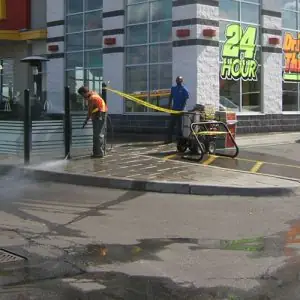
Professional Graffiti Removal East Gwillimbury involves identifying the surface type, choosing the right removal agents or pressure techniques, and applying them in a way that erases graffiti without harming underlying materials. Experienced contractors like Seal Tech Inc use tailored methods—sometimes combining cleaning agents, steam, or precise pressure washing—followed by protective sealing to prevent future staining and make any future cleanup faster and safer.
Why Graffiti Removal in East Gwillimbury Needs a Specialist’s Touch
It’s tempting to treat graffiti removal as a weekend DIY project or hire the first company offering a low quote. But here’s a common misconception: all pressure washers (and cleaning crews) are the same. In reality, the difference between a “quick fix” and professional graffiti removal lies in knowledge, experience, and the right tools for each job—especially important in East Gwillimbury’s diverse mix of materials and exposures.
Ryan Leonard, owner of Seal Tech Inc, brings over 15 years of hands-on expertise in cleaning and protecting surfaces across Scarborough, Toronto, and the GTA. He’s seen, first-hand, what happens when graffiti removal is rushed: etching in brick, faded “ghost” images on wood, or even irreparable damage to decorative concrete. Ryan personally assesses each project—no “one-size-fits-all” solutions—drawing on his lived experience with local homes and businesses, and the very real impact of our climate on exterior surfaces.
What Makes Graffiti Removal Here Unique?
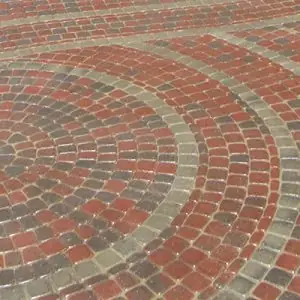
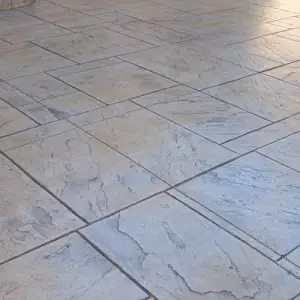
East Gwillimbury’s location means frequent freeze-thaw cycles and high humidity, which can trap moisture behind paint and into porous surfaces. This not only makes graffiti harder to remove but increases the risk of permanent staining, efflorescence, and surface breakdown if harsh solvents or improper pressure are used. Many new builds also use mixed materials—wood, patterned concrete, natural and cultured stone—that each demand a different approach and product.
The Right Process for Graffiti Removal East Gwillimbury
Here’s how a seasoned pro like Ryan Leonard at Seal Tech Inc approaches graffiti removal for residential and commercial properties:
1. Careful Surface Assessment
Before anything touches your wall, fence, or garage door, Ryan inspects the type of material (is it soft brick, painted wood, sealed concrete, or stone?), the age and condition, and how deeply the graffiti has penetrated. This isn’t just good practice—it prevents costly mistakes. For instance, blasting old Toronto brick with high pressure can literally strip away the protective face, while the wrong chemical on a stained fence will ruin the finish beneath the paint.
2. Custom-Crafted Cleaning Methods
Based on what he finds, Ryan selects the safest, most effective removal process. This might include:
- Eco-friendly graffiti removers for softer or heritage surfaces.
- Adjusted high-pressure washing with modern equipment for resilient concrete or commercial blocks.
- Steam cleaning for delicate areas where chemicals or force aren’t an option.
- Gentle agitation and rinse cycles to avoid “ghosting”—those lingering outlines you see on poorly treated graffiti.
He always tests a small, inconspicuous area first—something less experienced crews often skip.
3. Post-Cleaning Surface Restoration
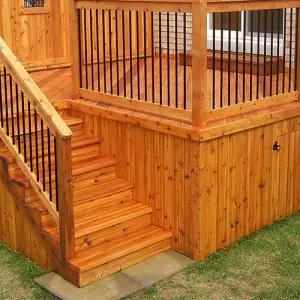
Once the graffiti is gone, the job isn’t always finished. Sometimes the removal process exposes underlying wear, faded stains, or patchy colour—especially on wood or weathered surfaces. Ryan’s background in deck and fence restoration means he can fix these issues, whether it’s resealing a wood fence, staining over minor blemishes, or re-coating concrete for a uniform, protected finish. This is where his “leave it better than we found it” philosophy really shows.
4. Preventive Protection with Surface Sealing
One of the best ways to make future graffiti removal quicker and safer is by applying the right sealant to your cleaned surface. High-quality sealers (tailored for wood, stone, or concrete) create a barrier that prevents paint absorption. Ryan and his team use commercial-grade products proven in Ontario’s tough climate—so if graffiti returns, it washes off with minimal effort, often without chemicals at all. This is a step most “one-and-done” cleaning outfits skip entirely.
Common Mistakes in Graffiti Removal (and How Seal Tech Inc Avoids Them)
There are a few pitfalls that come up again and again in this line of work. If you’re planning your own project or getting quotes, it pays to watch for:
- Overusing High Pressure: Many assume blasting graffiti away is fastest. But most surfaces—especially older brick or pressure-treated wood—can be etched, gouged, or left looking patchy if the wrong pressure is used. Ryan always calibrates his equipment for the specific surface and checks results as he goes.
- Using Harsh Solvents Blindly: Off-the-shelf graffiti removers or paint thinners can dissolve the graffiti, but also strip underlying stains, paint, or mortars. Expert removal means choosing products that break down spray paint without harming what’s beneath.
- Ignoring Weather and Moisture: Removing graffiti right before a hard freeze or rainstorm? That’s a recipe for water damage, efflorescence, or quick re-soiling. Ryan times jobs and selects products that cure properly for our unpredictable Ontario weather.
- Skipping Surface Protection: Without sealing or proper finish restoration, you’re left with a more vulnerable, patchy look that actually attracts new graffiti (and stains faster).
What Good Graffiti Removal Looks Like
It might seem obvious, but you’d be surprised by how many “finished” jobs are still ghosted, stained, or obviously patched. Here’s what Ryan Leonard aims for on every Seal Tech Inc project:
- The graffiti is fully gone—no outlines, no haze, no residue.
- The underlying material (whether it’s a concrete walkway, natural stone wall, or wood fence) is undamaged, with consistent texture and colour.
- Any necessary resealing or finishing blends seamlessly with the rest of your property’s surfaces.
- Preventive protection is in place, so if it happens again, cleanup is simpler—and less costly.
Think of it like restoring a painting: the best work is invisible. Your home or business should look exactly as it did before the graffiti—maybe even a little better, with fresh protection for the years ahead.
Why Choose Seal Tech Inc for Graffiti Removal in East Gwillimbury?
Here’s where details matter. Seal Tech Inc isn’t just another pressure washing company—they’re restoration and sealing specialists with a deep understanding of how every surface in our region responds to graffiti, chemicals, and the elements. Here’s what sets them apart:
- 15+ Years of Experience: Ryan Leonard isn’t just the owner—he’s on-site, doing the work. His experience means he’s encountered nearly every type of graffiti, surface, and challenge the GTA can throw at him.
- A+ BBB Rating and 5-Star Reviews: These aren’t just badges—they reflect a real commitment to customer satisfaction, transparency, and top-quality results.
- Warrantied Workmanship: Many competitors offer no guarantees. Seal Tech Inc stands behind their work, offering peace of mind on graffiti removal and any re-sealing or restoration that follows.
- Tailored, Up-to-Date Methods: No outdated equipment, no one-solution-fits-all. Ryan’s investment in the latest tools and products—matched to the unique needs of each project—means your property is in expert hands.
- Full Restoration and Sealing Capability: Whether your project ends with graffiti removal or extends to deck/fence restoration, interlock sealing, or garage floor epoxy, you’re dealing with specialists who can handle it all, not just a single task.
FAQs: Graffiti Removal in East Gwillimbury
Will graffiti removal damage my brick, wood, or stone?
Not when done right. Ryan Leonard’s approach is all about matching the method to your exact surface. Quick, “aggressive” cleaning often causes more harm than good—professional tools and a tested process preserve and protect what’s underneath.
Can I remove graffiti myself?
Small markings on very smooth, sealed surfaces can sometimes be handled with gentle products. But for most cases in East Gwillimbury—especially porous or weathered materials—DIY attempts often leave permanent shadows or streaks. It’s usually safer, faster, and more cost-effective to call in an expert first.
How soon should graffiti be removed?
As soon as possible. The longer graffiti sits, the deeper it penetrates and the tougher it is to remove—especially through cycles of sun, rain, or freeze/thaw. Prompt action also discourages repeat tagging and helps maintain your property’s appearance.
Will sealing really help prevent future graffiti?
Absolutely. Proper surface sealing forms a barrier, making future paint sit on top rather than soaking in. This means future removal is easier, less expensive, and far less likely to cause damage or “ghost” outlines.
See Real Results: Local Graffiti Removal Projects
Curious what professional Graffiti Removal East Gwillimbury looks like? Take a look at the Seal Tech Inc gallery for before-and-after examples from across the GTA. You’ll see the difference that careful surface prep, expert cleaning, and quality sealing can make—not just erasing the problem, but restoring property value and curb appeal.
Ready to Protect Your Property? Get a Free Quote Today
If you’re facing unwanted graffiti—or want to prepare your surfaces for whatever East Gwillimbury’s climate throws your way—Ryan Leonard and the team at Seal Tech Inc are ready to help. Reach out for a no-pressure, free quote and expert advice on Graffiti Removal East Gwillimbury. We’ll help you restore your property and protect it for the future. Contact us today to discuss your project.
Frequently Asked Questions
Will graffiti removal damage my brick, wood, or stone?
Not when done correctly. A specialist will assess your surface and use methods tailored to its condition, so the underlying material is preserved. Aggressive or generic cleaning often causes more harm than good.
Can I remove graffiti myself?
Some small marks on smooth, sealed surfaces might come off with gentle products. However, most graffiti in East Gwillimbury—especially on porous or weathered materials—needs professional care to avoid lasting stains or surface damage.
How soon should graffiti be removed?
It's best to remove graffiti as quickly as possible. The longer it sits, the deeper it can soak in and the harder it is to erase, especially after cycles of sun, rain, or freezing temperatures.
Will sealing really help prevent future graffiti?
Yes, proper sealing creates a protective barrier so paint can't soak into the surface. This makes any future graffiti much easier and safer to remove, often with less effort and no chemicals.