Acrylic vs Polyurethane Concrete Sealer
Ask a Question
Send us a note and we'll get back to you — usually within one business day.
Acrylic and polyurethane are both film-forming concrete sealers, but they are built for different jobs. Acrylic is a thinner, more affordable coating that is easy to apply and easy to renew, while polyurethane is a tougher, longer-wearing coating that stands up better to traffic, de-icing salt and moisture. For most GTA driveways, walkways and patios, the right choice comes down to how the concrete is used and how much weather and salt it actually faces.
Acrylic vs polyurethane: the short version
Both products sit on top of the concrete as a clear film instead of soaking deep into the pores, which is what sets them apart from a penetrating sealer. That film is what creates the “wet look,” darkens and enriches the colour of the concrete, and blocks surface water from getting in. Because the film sits on the surface, it also changes how the concrete looks and feels: sealed concrete is usually glossier and darker, and it repels water on contact. The trade-off is that the film takes the wear instead of the concrete underneath it.
Acrylic forms a thinner, more flexible film. Polyurethane forms a harder, denser film that resists scuffs and chemicals better. Neither is automatically the better sealer: acrylic is simpler to apply and less costly to renew, while polyurethane lasts longer between recoatings and tolerates more abuse. If you are still deciding between the two broad families of products, see our guide to film-forming versus penetrating sealers.
Acrylic concrete sealer at a glance
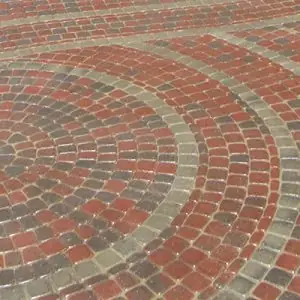
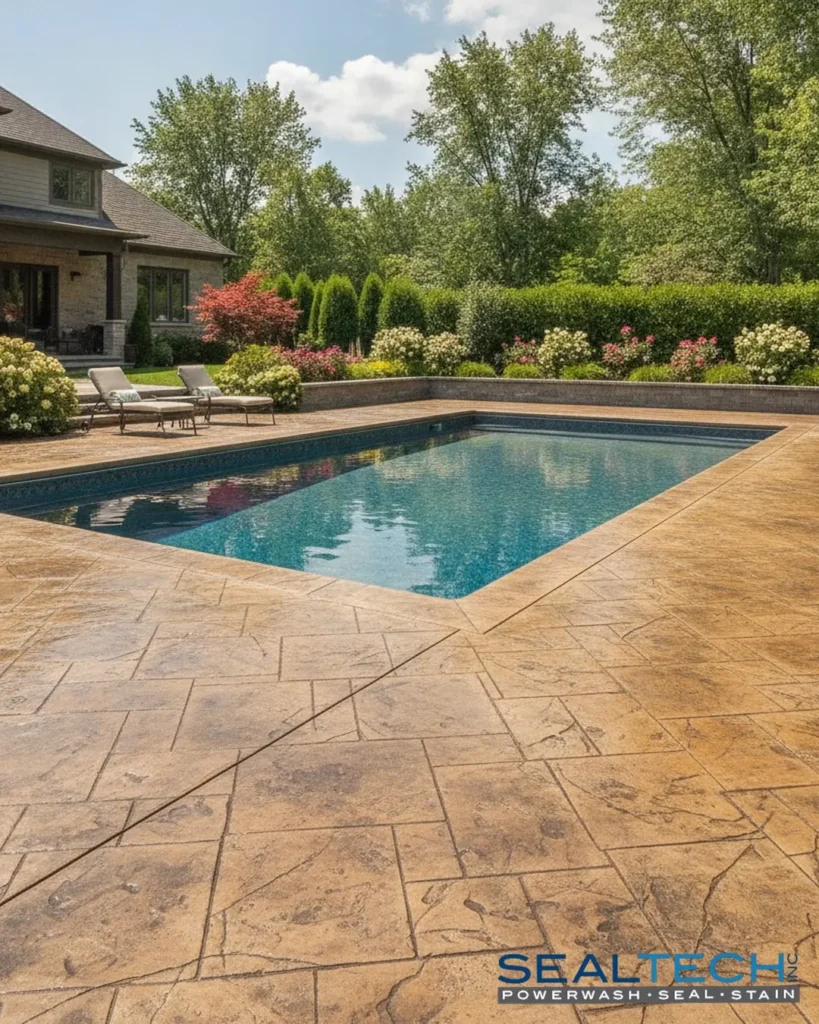
Acrylic is the sealer most homeowners picture when they think of a freshly sealed patio. It goes on thin, dries quickly and brings out the colour in exposed aggregate, stamped concrete and plain broom-finished slabs. Because it is forgiving to apply and easy to recoat, it is a popular choice for patios, walkways and decorative concrete that see light traffic.
The downside is wear. The film is softer, so it scuffs under foot traffic and breaks down faster on surfaces that meet car tires, shovels or dragged furniture. In a climate like Toronto’s, repeated freeze-thaw cycles and de-icing salt shorten that life further, and acrylic generally needs to be stripped and recoated more often than polyurethane. Many acrylics can be lightly cleaned and recoated without a full strip when the old film is still sound, which keeps maintenance simple. On a lightly used patio, that trade-off is often worth it for the look; on a busy driveway, it usually is not.
Polyurethane concrete sealer at a glance
Polyurethane builds a harder film that resists scuffing, staining and chemical attack better than acrylic. That makes it a strong candidate for driveways, garage approaches and commercial walkways, where tires, oil drips and road salt do the most damage. When it is applied correctly, the longer time between recoatings can more than make up for the extra care up front.
The trade-offs are cost and application. Polyurethane is typically more expensive than acrylic, and it is far less forgiving to apply. The concrete has to be clean and fully dry, moisture trapped in the slab can cause the film to cloud or peel, and the solvent smell can be strong while it cures. Polyurethane also needs a window of dry, mild weather to cure properly, which in Toronto usually means late spring through early fall. Done right, though, it is one of the most durable clear coatings a concrete surface can get.
Choosing the right sealer for a Toronto-area surface
In the GTA, the decision is rarely just about appearance. Here is what actually wears a concrete sealer down:
- Freeze-thaw cycles. Water that sits on or inside concrete freezes and expands in winter, then thaws in spring. Once a sealer starts to lift, water gets underneath the film and can cause flaking and a patchy, uneven look.
- Road salt and de-icers. Salt carried in on car tires is hard on coatings. Polyurethane generally tolerates salt and chemicals better than acrylic, which is one reason many driveways are sealed with polyurethane.
- Spring rain and snowmelt. Toronto springs are wet. Sealing only works on a dry surface, and any moisture trapped under a film becomes a problem later. Timing the job for dry weather matters as much as the product you choose.
- Summer UV. Strong sunlight slowly oxidizes and dulls any sealer film, which is why a glossy finish can turn chalky after a few hot summers. An exterior-rated product and a fresh coat before the film wears away keep the colour even.
- Clay soil and drainage. Much of the GTA sits on clay, which drains slowly. Where water pools against a slab or moves underneath it, moisture stays in contact with the concrete and can push through as a white haze. Improving grading and drainage goes hand in hand with sealing.
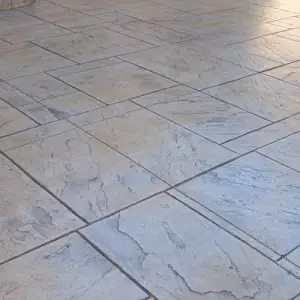
As a rough guide, a decorative patio that sees light foot traffic and little salt can do very well with acrylic, while a driveway or high-traffic walkway that faces snow, salt and tires usually justifies polyurethane. The right product also depends on the condition and finish of the surface itself, so ask us whether it suits your surface. Seal Tech Inc. cleans and seals natural stone and pattern (stamped) concrete throughout the GTA and can help you match the sealer to the surface.
Frequently Asked Questions
Is acrylic or polyurethane better for a concrete driveway?
For a Toronto driveway that sees car tires, snow shovels and road salt, polyurethane usually lasts longer and protects better. Acrylic is cheaper to renew but typically needs recoating sooner. Whichever you choose, the surface has to be clean and dry for the sealer to bond. Ask us whether it suits your surface.
Can you put polyurethane over an old acrylic sealer?
Not usually. The new film needs to bond to the concrete itself, so the old acrylic should be stripped first. If the existing sealer is peeling or patchy, getting it clean and stripped gives the new coating a proper start.
How often should concrete be resealed in the GTA?
It depends on traffic, sun and salt exposure. Acrylic sealers generally need attention within a few years, while polyurethane can go longer between coats. A look at how the surface is wearing is the best guide.
Does sealing stop the white haze on concrete?
It can help, but that haze usually comes from moisture moving through the slab and carrying salts to the surface. Sealing slows the process, yet poor drainage or a wet slab can still cause it, so drainage should be addressed too.
Seal Tech Inc. serves Scarborough, Toronto, North York, Markham, Vaughan and the rest of the Greater Toronto Area. Call (416) 966-4200 or request a free written quote.