Choosing a Concrete Sealer in Toronto
Ask a Question
Send us a note and we'll get back to you — usually within one business day.
Choosing a concrete sealer in Toronto usually comes down to two families: penetrating sealers that soak into the concrete and protect it from the inside, and film-forming sealers that sit on top as a thin, visible coating. For a plain concrete driveway or walkway, a penetrating sealer is often the sensible pick, while a film-forming sealer is what gives stamped concrete its richer colour and wet look. The right choice depends on the surface, the traffic it takes and the finish you are after.
The two main types of concrete sealer
Concrete sealers split into two groups that protect a slab in opposite ways.
A penetrating sealer is absorbed into the pores of the concrete. Common ones, such as silane and siloxane sealers, reduce how much water and dissolved road salt the concrete takes in while leaving the surface looking much the same. Because there is no film on top, there is nothing to peel, cloud or scuff.
A film-forming sealer stays on the surface and cures into a clear coating. That is the finish that darkens concrete and adds a gloss. The most common types are:
- Penetrating (silane or siloxane) — invisible and matte; the workhorse for plain driveways and walkways.
- Acrylic — a colour-enhancing wet look, popular on stamped concrete and easy to recoat.
- Polyurethane — a harder, glossier film for decorative concrete that takes more wear.
- Epoxy — a thick, very hard coating, usually kept to garage floors where direct sun cannot dull it.
No sealer makes concrete completely waterproof or stain-proof. Each one slows water and salt damage and buys time between cleanings. If the two families are new to you, our guide to penetrating vs film-forming sealers explains the differences in more detail.
Sealers for a plain concrete driveway or walkway
Plain, broom-finished concrete does not need a colour change, so a penetrating sealer usually makes the most sense. It soaks in, keeps meltwater and dissolved salt out of the pores, and leaves the surface looking essentially the same — with no film to peel under tires, shovels and boots.
On a GTA driveway, the sealer’s main job is slowing freeze-thaw damage. When salt-laden meltwater soaks into concrete and later freezes, the expanding ice pushes small pieces of the surface apart — the scaling you see on older driveways. A penetrating sealer reduces how much of that water gets in through winter and spring, and it makes oil spots and tire marks a little easier to clean before they set.
Sealers for stamped concrete
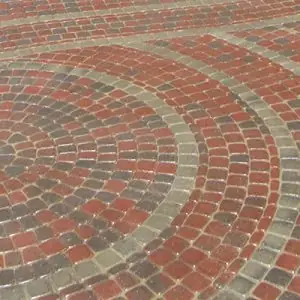
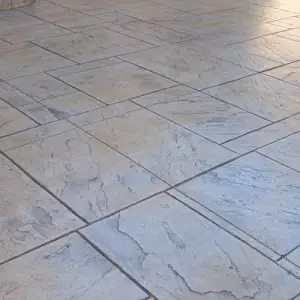
Stamped (pattern) concrete is decorative, so most homeowners choose a sealer for looks as much as protection. A film-forming sealer — acrylic or polyurethane — is what brings out the pattern’s colour and gives it the wet look. Acrylic is the more common choice because it is forgiving to apply and easy to recoat; polyurethane builds a harder, glossier film for stamped surfaces that see steady foot traffic.
The trade-off is that a film sits on top, so it wears where shovels, salt and sun attack it and will need recoating or stripping over time. On a stamped walkway or patio, that trade is usually worthwhile. Seal Tech Inc. cleans and seals natural stone and pattern (stamped) concrete across the GTA and can match the sealer to the finish you want.
What Toronto weather does to a sealer
Toronto-area concrete faces a specific mix of weather, and each season attacks the sealer in a different way.
- Freeze-thaw cycles. Water that soaks into the surface freezes and expands through winter, then thaws in spring. A sealer’s first job here is keeping water out of the pores.
- Road salt. Salt and de-icer dissolve into meltwater and soak into the concrete, where they can cause scaling and white, crusty staining. A penetrating sealer helps keep saltwater out; a film-forming sealer takes the salt on its own surface, which is harder on the film.
- Spring rain and snowmelt. Wet GTA springs mean water sits on and under slabs for weeks. A penetrating sealer lets trapped moisture escape as vapour, while a film can trap it and cloud or lift if the slab was damp when it was sealed.
- Summer UV. Strong sun dulls and oxidizes film-forming sealers over a few hot summers. An invisible penetrating sealer has nothing visible to fade, which is one reason plain driveways often suit it.
- Clay soil and drainage. Much of the GTA sits on clay that drains slowly. Where water pools against a slab or wicks up through it, sealer alone cannot fix the problem — grading and drainage matter just as much.
When to hire a pro
You can seal a small, clean surface yourself, but preparation matters more than the sealer itself. The concrete must be clean, dry and repaired first, and it has to stay dry while the sealer cures — tricky during a Toronto shoulder season. A mistimed or uneven coat leaves streaks, cloudy patches or a film that peels within a season, and undoing it usually means stripping the surface and starting again.
A professional is worth it when the surface is large, stained, cracked or already sealed with an unknown product. A pro can test how porous the concrete is, remove old sealer safely and apply the new coat in the right weather. If you are not sure what your driveway or patio has on it now, send photos with your quote request and Ryan can ask the few questions that matter before recommending a sealer.
Frequently Asked Questions
What is the best concrete sealer for a Toronto driveway?
For plain, broom-finished concrete, a penetrating sealer is usually best because it is invisible and protects against freeze-thaw without peeling. For a stamped or decorative driveway where colour matters, a film-forming sealer gives the wet look. The material and its condition decide, so ask us whether it suits your surface.
How often should concrete be resealed?
There is no single number that fits every driveway, because traffic, salt and sun wear sealers down at different rates. Watch for the signs: water no longer beads on the surface, the colour looks faded, or a film sealer starts to look cloudy or chalky. That is when it is time to recoat.
Can I seal my own concrete walkway?
You can, on a small, clean surface in the right weather. The hard part is preparation and even coverage — a sealer applied over dirt, moisture or an old unknown coating will not bond well. If you are unsure, send photos with your quote request and we can tell you whether the job is straightforward.
Will sealing stop my driveway from cracking?
No. Sealer slows water and salt damage, but it does not stop concrete from cracking when the ground shifts, settles or heaves through freeze-thaw. Cracks should be repaired before sealing so water cannot get through them.
Seal Tech Inc. serves Scarborough, Toronto, North York, Markham, Vaughan and the rest of the Greater Toronto Area. Call (416) 966-4200 for a free written quote, or request a free written quote online.