How Often Should You Reseal Interlock?
Ask a Question
Send us a note and we'll get back to you — usually within one business day.
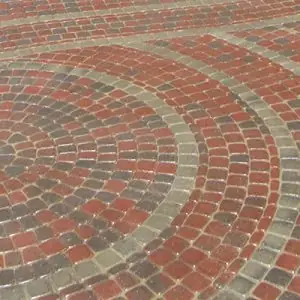
Most interlock driveways, walkways and patios in the GTA should be resealed every two to three years. That is the realistic range for a surface that faces real Canadian winters and summers. The exact timing depends on sun exposure, drainage, road salt, tree cover and how much traffic the pavers take.
Resealing too often wastes product and can leave a hazy build-up on the stone. Waiting too long lets the sealer wear away and the joint sand wash out — and that is when water starts working under the pavers and small issues turn into loose or sunken stones.
What resealing does for your interlock
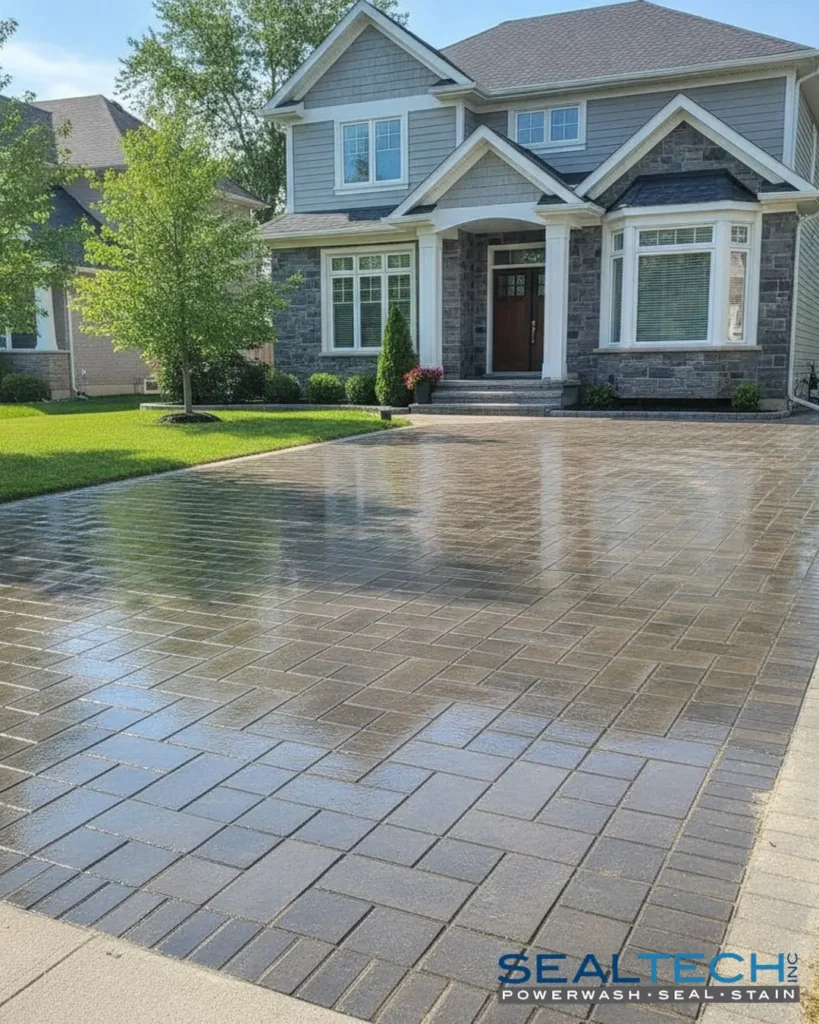
Interlock sealer is a thin, sacrificial layer, not a permanent coating. It wears away slowly so the paver surface does not. While it is doing its job, it helps water bead and run off instead of soaking in, and it makes the surface easier to rinse clean.
Sealer also protects the joint sand between the pavers. That sand is what locks the stones together and keeps them from shifting. When the sand washes out, the pavers lose their grip on each other, weeds and ants move in, and the surface starts to move.
A well-sealed driveway also looks better. The sealer brings out the colour of the stone and slows the fade to a chalky grey. That is one reason homeowners reseal on a schedule instead of waiting for the surface to look tired.
The job itself is more than a coat of sealer. The surface is cleaned, the joints are topped up with sand, and only then is the sealer applied. Skipping the cleaning or the sand is the quickest way to get a short-lived result.
Why GTA weather shortens the interval
Two to three years is the right planning range for Toronto and the surrounding area because the climate works against interlock in a few specific ways.
- Freeze-thaw cycles: Water gets into hairline pores in the pavers and the joints, then freezes and expands. Repeated freezing and thawing over a winter weakens the surface and loosens the joint sand.
- Road salt and ice melt: Salt carried onto the driveway by car tires sits on the pavers, where it can etch the surface and break down the sealer faster. It also works its way into the joints with the melting water.
- Spring rain and clay soil: Heavy spring rain pools on the slow-draining, clay-heavy soil common across the GTA. Standing water is hard on both the joint sand and the sealer.
- Summer UV: Long, hot summers bake the sealer and fade the colour. UV exposure is one of the biggest reasons the protection drops off after a couple of years.
If your surface sits in full afternoon sun, runs on a slope, or sits near a spot that stays wet after rain, plan closer to every two years. A shaded patio with good drainage may stretch closer to three.
Signs it is time to reseal
You do not have to guess. A few simple signals tell you the sealer has done its job and it is time for the next coat.
- Water no longer beads. Healthy sealer makes rain bead on the surface. When water soaks straight in and darkens the stone, the sealer has worn through.
- The colour looks chalky or faded. A grey, dusty appearance means the surface is exposed and unprotected.
- Joint sand is washing out. Sand sitting on the surface after rain, or joints that look hollow, means the locking sand is leaving.
- Weeds or ants between the pavers. Both move into open joints once the sand and sealer are gone.
- Pavers feel loose or uneven. This is the late warning sign. It usually means water has been working underneath for a while.
If you see one or two of these signs, it is worth getting the surface looked at before the next winter. The sooner it is cleaned, re-sanded and resealed, the less work is needed to bring it back.
How to stretch the time between reseals
A few simple habits help any sealer last longer.
- Rinse off road salt in the spring so it does not sit on the surface all summer.
- Clear leaves and debris before rain. Wet leaves hold moisture against the pavers and can stain the stone.
- Keep the joints full of sand. Re-sanding is part of most resealing jobs, and it is what keeps the pavers from moving.
- Fix drainage early. If water ponds in one spot, sort out the grading or downspout before it undermines the base.
Sealing cannot fix drainage, a sinking base, or pavers that have already shifted badly. Those issues need to be corrected first so the sealer has a stable, dry surface to protect. Seal Tech’s interlock cleaning, re-sanding and sealing service covers the full job, and if you are not sure what your surface needs, Ryan can tell you what should be addressed and what can wait.
For a closer look at getting the surface ready, see our guide on how to prepare interlock for sealing.
Frequently Asked Questions
How do I know if I need resealing or just cleaning?
If the surface is dirty but water still beads and the joints are full, a thorough cleaning may be all it needs. If water soaks in, the colour is faded, or the sand is washing out, it is time to reseal. Not sure? Send photos with your quote request and we will tell you what is actually required.
Can you reseal over the old sealer?
The surface has to be clean and free of loose, flaking old sealer, or the new coat will not bond properly. A proper reseal includes cleaning and re-sanding first. Ask us whether your existing sealer needs to be stripped before a new coat.
Does sealing stop weeds from growing between the pavers?
Sealer alone will not kill existing weeds, and new seeds can still land in the joints. Removing the weeds, re-sanding the joints and then sealing makes it much harder for new weeds to take root.
How long before I can walk or drive on the surface?
Most interlock can be walked on within about a day and driven on a day or two after resealing, depending on the product and the weather. We will confirm the wait time for your specific job before we leave.
Seal Tech Inc. serves Scarborough and the rest of the GTA. Call (416) 966-4200 for a free written quote, or contact us to send photos with your request.