Natural Stone Sealing East Gwillimbury
Ask a Question
Send us a note and we'll get back to you — usually within one business day.
Natural Stone Sealing East Gwillimbury
A lot of people assume that natural stone patios or walkways in East Gwillimbury are maintenance-free once installed, but Natural Stone Sealing East Gwillimbury is actually essential if you want to protect your investment from our unpredictable Ontario climate. Many homeowners are surprised to learn that even the hardest stone can be vulnerable to moisture, stains, and freeze-thaw cycles—especially in a region like East Gwillimbury, where humid summers and long, icy winters put materials to the test. Whether you have flagstone steps in Sharon, a travertine pool deck in Holland Landing, or a slate patio in Queensville, understanding the right way to care for your natural stone makes all the difference between a surface that weathers beautifully and one that deteriorates before its time.
Serving the GTA and the surrounding area — see our coverage area below:
Quick Answer: What Is Natural Stone Sealing and Why Is It Needed in East Gwillimbury?
Natural Stone Sealing East Gwillimbury is the process of professionally cleaning and applying a protective sealant to outdoor stone surfaces to guard against moisture, stains, and weather damage. In East Gwillimbury, where freeze-thaw cycles and summer humidity can quickly degrade unprotected stone, sealing helps preserve appearance, prevent cracking or spalling, and extend the life of patios, walkways, and pool decks. Choosing an experienced, local specialist ensures the right products and prep for your specific stone and climate.
Why Natural Stone in East Gwillimbury Needs Specialized Care
It’s easy to fall in love with natural stone’s unique textures and timeless appeal. But here in East Gwillimbury, our climate throws a few curveballs that make natural stone sealing more than just a “nice to have.” In the winter, water seeps into the tiny pores of stone, freezes, and expands—leading to chips, cracks, or that dreaded flaking known as spalling. In the summer, UV rays and humidity can cause fading, algae, or moss growth, especially in shaded or north-facing yards. If you’ve ever seen a once-beautiful patio turn patchy or uneven after a hard winter, you’ve seen firsthand what happens when natural stone isn’t protected.
Different neighbourhoods in East Gwillimbury—from the heritage homes of Mount Albert to newer developments in Holland Landing—use a range of stone types: limestone, flagstone, granite, travertine, and more. Each has its own quirks, porosity, and sealing needs. A lot of people think all you need is a hardware store sealer and a roller, but experienced pros like Ryan Leonard at Seal Tech Inc know that the right prep and product make all the difference for our local conditions.
What Actually Happens During Professional Natural Stone Sealing?
Let’s break down the process, because “sealing” is more involved than most people expect. The goal isn’t just to put a shiny coat on top—it’s to create an invisible barrier that keeps out water, stains, and grime while letting the stone “breathe.” Here’s how Ryan Leonard approaches it with the benefit of 15+ years working on East Gwillimbury and GTA properties:
- Assessment: Every project starts with a close look at your stone—type, age, current condition, and any existing coatings or stains. Not all stones and settings need the same product or prep.
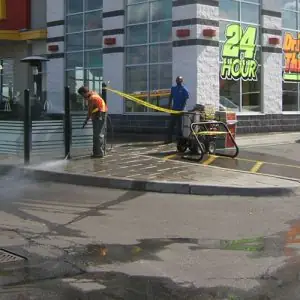
- Cleaning: Thorough, careful cleaning is non-negotiable. Ryan uses high-pressure washing (but not so aggressive it erodes softer stone) to remove dirt, organic growth, and old sealers. This step is often skipped by less experienced contractors, but it’s what gives the sealer a strong, lasting bond.
- Repairs: Any cracks, loose stones, or missing joint sand are addressed before sealing. Sealing over flaws just locks in future problems.
- Product Selection: Choosing the right sealer is a science. For example, a breathable, penetrating sealer is best for most outdoor natural stone in our climate, allowing moisture vapor to escape while blocking water and stains from getting in. Glossy “wet-look” finishes can look great on some stones, but aren’t always the best choice for freeze-thaw durability.
- Application: The sealer is applied evenly—usually with professional sprayers or rollers for consistent coverage. Multiple thin coats are often better than one thick one. Ryan’s team pays special attention to edges, joints, and high-traffic areas.
- Final Inspection: Once cured, the surface is checked for evenness, protection, and clean finishing. Any excess sealer is removed to prevent hazing or slipperiness.
Think of it like waxing a car: the shine is nice, but the real benefit is what you don’t see—deep protection that keeps the elements out.
Common Mistakes Homeowners (and Contractors) Make
Plenty of people in East Gwillimbury have tried DIY sealing or hired a “handyman” only to regret it later. Here are some surprisingly common pitfalls Ryan Leonard has fixed over the years:
- Poor Surface Prep: Sealing over dirt, algae, or old coatings just traps problems under the surface. The new sealer won’t bond and will likely peel or cloud.
- Wrong Product for the Stone: Not all sealers are compatible with all stone types. For example, a film-forming sealer on a porous flagstone can cause whitening or slipperiness, especially when wet—a real safety hazard around pools.
- Skipping Repairs: Sealing over cracks or loose stones does nothing to fix the underlying issue. Water will still find a way in, leading to further damage.
- Overapplication: More is not better. Too much sealer can leave a sticky, unattractive residue that actually attracts dirt.
- Ignoring Weather Conditions: Sealing on a damp or overly hot day can cause the product to cure improperly, reducing its effectiveness and longevity.
It’s a bit like painting over wallpaper—if you don’t do the prep right, you just make the problem harder to fix later.
How Ryan Leonard and Seal Tech Inc Approach Natural Stone Sealing
What sets Seal Tech Inc apart isn’t just experience or ratings (though with over 15 years in the GTA, an A+ BBB rating, and a perfect 5.0 on Google, those credentials speak volumes). It’s the hands-on, detail-driven approach Ryan brings to every job:
- Personalized Assessment: Ryan himself evaluates each site, tailoring the process to the specific stone, setting, and usage. A shaded garden path gets different treatment than a sun-baked pool surround.
- Top-Tier Equipment: The company invests in up-to-date high-pressure cleaning systems and professional-grade sealing tools—no corner-cutting with rental gear or cheap sprayers.
- Quality-First Products: Only proven, commercial-grade sealers are used—chosen for the specific type of stone and local climate. Ryan keeps up with the latest in sealant technology, never relying on “one-size-fits-all” solutions.
- Workmanship Warranty: Many of Seal Tech’s services are backed by a workmanship warranty, offering peace of mind that the job will last and any issues will be handled promptly.
- Respect for Your Property: Surfaces are protected, landscaping is respected, and the site is left tidier than when the team arrived.
Ryan’s approach combines the deep knowledge that comes from years of hands-on work with the professionalism you’d expect from a company trusted across Scarborough, Toronto, and the entire GTA. You can read more about Ryan’s background and philosophy on the About Us page or his LinkedIn profile.
Which Stones Need Sealing, and How Often?
Not every stone is the same, and not every property needs sealing at the same interval. Here’s a quick overview based on what Ryan has seen in East Gwillimbury and the GTA:
- Flagstone: Very common in local patios and walkways. Porous and prone to water absorption, especially in freeze-thaw cycles. Needs sealing every 2–3 years.
- Limestone: Softer, more absorbent, and especially vulnerable to acid rain or salt. Annual or biennial sealing is often recommended.
- Granite: Denser and more resistant, but still benefits from sealing every 3–5 years to prevent staining and maintain appearance.
- Travertine & Slate: Both benefit from a quality penetrating sealer, as they can stain and weather quickly if left unprotected.
Ryan always recommends a site-specific assessment, since factors like shade, water runoff, and usage patterns can speed up or slow down wear and tear. If you’re not sure what stone you have or how long it’s been since it was last sealed, don’t guess—get a professional opinion first.
What Does a Great Natural Stone Sealing Job Look Like?
The best sealing work is almost invisible: your stone looks fresh, vibrant, and natural, not plastic-y or overly glossy (unless that’s the finish you want). Water beads on the surface instead of soaking in. Stains from BBQ spills, leaves, or muddy boots wipe up easily. And most importantly, the stone weathers the seasons without cracking, flaking, or shifting.
For inspiration, check out the Seal Tech Inc gallery for real examples of natural stone restoration and sealing in GTA homes and businesses. You’ll see the difference that careful prep, the right product, and a skilled hand can make—even on older patios that looked beyond saving.
How to Choose the Right Natural Stone Sealing Specialist in East Gwillimbury
Anyone can claim to seal stone, but the results speak for themselves. When comparing contractors, ask:
- Are they experienced with your type of stone and local climate? East Gwillimbury’s freeze-thaw cycles are tough on materials—experience matters.
- Do they use professional cleaning and sealing equipment? The right tools ensure deep cleaning and even application.
- Can they show examples of similar projects? A reputable company will have a gallery of past work and local references.
- Are their services warrantied? A workmanship warranty shows confidence in their process and protects your investment.
Seal Tech Inc checks all these boxes and more. You can explore their full range of services—from natural stone sealing to interlock re-sealing and even garage floor epoxy—to see how their tailored approach fits your specific needs.
Natural Stone Sealing: More Than Just Looks
If you’re still on the fence, it’s worth remembering that sealing isn’t just about appearance. It’s about protecting your investment—whether you’re sprucing up a heritage home, getting a property ready to sell, or simply wanting to enjoy your outdoor living space for years to come. The right sealing job can prevent costly repairs down the line and help your stone age gracefully, not prematurely.
Think of it as putting a weatherproof jacket on your stone: with the right fit and material, it keeps the elements out without hiding what makes the stone beautiful in the first place.
Ready to Protect Your Natural Stone?
Whether your stone is showing signs of wear or you want to protect a new installation, there’s no substitute for professional assessment and service. With over 15 years of hands-on experience in Natural Stone Sealing East Gwillimbury and the GTA, Ryan Leonard and the Seal Tech Inc team bring the expertise, care, and local knowledge your property deserves.
Curious about the process, the products, or what makes Seal Tech Inc different? Request a free, no-pressure quote to discuss your own Natural Stone Sealing East Gwillimbury project. Ryan is happy to walk you through your options and help you make an informed decision—so your stone surfaces stay beautiful and protected for years to come.
Frequently Asked Questions
Why does natural stone in East Gwillimbury need to be sealed?
Despite what many people assume, even hard stone can be damaged by East Gwillimbury's freeze-thaw cycles, moisture, and humidity. Sealing protects against cracking, staining, and weathering, helping your stone surfaces last much longer. The local climate is especially tough on unprotected stone.
What is involved in the professional natural stone sealing process?
A professional job starts with a detailed assessment and careful cleaning, often using specialized high-pressure washing. Repairs are made before the right sealer is applied evenly, focusing on coverage and durability. The process aims to create a protective barrier that preserves the stone's natural look while guarding against water and stains.
How often should different types of natural stone be sealed in East Gwillimbury?
Flagstone usually needs sealing every 2–3 years, while softer stones like limestone may require annual or biennial sealing. Denser stones like granite can go 3–5 years between sealings. However, local conditions and usage can affect these timelines, so a site-specific assessment is best.
What are common mistakes people make when sealing natural stone themselves?
The most frequent errors are skipping proper cleaning, sealing over existing damage, using the wrong product for the stone, or applying too much sealer. These mistakes can lead to peeling, cloudiness, or even make the surface slippery and unsafe. Proper prep and product choice are crucial for a lasting result.
How can I tell if a natural stone sealing job was done well?
A good sealing job leaves your stone looking natural and vibrant, not overly shiny or plastic-like (unless you want that finish). Water should bead on the surface, and stains should wipe up easily. Most importantly, the stone should resist cracking or flaking through all seasons.
What should I look for when choosing a natural stone sealing specialist in East Gwillimbury?
Look for experience with your specific stone and local climate, professional-grade equipment, and a portfolio of similar projects. A workmanship warranty is also a good sign—they stand behind their work and your investment is protected. Don't be shy about asking for references or examples of their previous work.