How to Bring Faded Interlock Back
Ask a Question
Send us a note and we'll get back to you — usually within one business day.
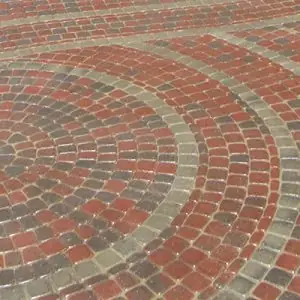
Faded interlock can usually be brought back, and it rarely means you have to replace the stones. The washed-out look comes from the sealer wearing off and the paver surface drying out, so a proper cleaning, re-sanding and resealing restores most of the colour. Underneath that chalky grey finish, the pavers are normally in perfectly good shape.
Why interlock fades
Interlock sealer is a thin, sacrificial layer. It wears away slowly so the surface of the paver does not. While the sealer is doing its job, it keeps the stone looking rich and slightly wet. Once it is gone, the bare paver is exposed to everything a GTA season throws at it.
- Summer UV: Long, hot summers break down both the sealer and the surface pigment. Pavers in full afternoon sun fade fastest.
- Road salt and ice melt: Salt carried onto the driveway by car tires sits on the pavers and etches the surface as it melts and dries.
- Freeze-thaw cycles: Water soaks into hairline pores and joints, then freezes and expands. Over the winters, that repeated movement roughens the surface and dulls the colour.
- Spring rain and clay soil: The clay-heavy soil common across the GTA drains slowly, so spring rain can pool on the surface and leave mineral staining behind.
Tree cover and exposure matter too. A south-facing walk that bakes in full sun fades faster than a shaded patio, while a spot under a big maple holds damp leaves against the stone. Different areas of the same property often fade at different rates.
Faded is not the same as damaged
Colour loss on its own is a cosmetic issue and the easiest one to fix. If the pavers are still level, firm and uncracked, you are dealing with fade, not structural damage.
Sunken stones, wide cracks, pavers that rock underfoot, or water pooling in low spots are a different problem. Sealer cannot fix a sinking base or poor drainage, and sealing over those issues only hides them for a season. If you are not sure which category your surface falls into, ask us whether it suits your surface before you spend on sealing.
How to bring the colour back, step by step
The fix is a process, not a single product. Done in order, it returns faded pavers to a rich, even colour and keeps them that way.
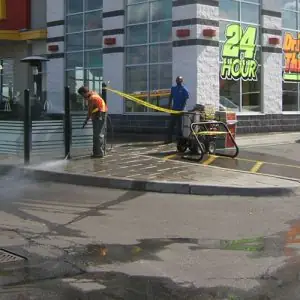
- Clean the surface. Power washing removes the dirt, algae and worn sealer residue that make the stone look dull and grey. Cleaning is what lets the true colour show again.
- Remove weeds and moss. Growth between the pavers holds moisture against the stone and speeds up fading and staining.
- Top up the joint sand. The sand between the pavers locks them in place and keeps water from getting underneath. It is topped up after cleaning and before sealing.
- Apply the sealer. A fresh coat of sealer darkens and enriches the stone and protects the new sand. The colour boost is immediate and the protection lasts for years.
This is exactly what Seal Tech’s interlock cleaning, re-sanding and sealing service covers. The result is not a brand-new driveway, but it is usually a dramatic one — rich colour where there was chalky grey, and a surface that is protected again.
What makes fade come back fast
A few common habits undo a fresh seal long before it should wear out, especially on Toronto driveways.
- Leaving road salt on the surface all spring instead of rinsing it off.
- Letting leaves and debris sit wet against the pavers, which traps moisture and stains.
- Sealing over a damp, dirty or badly pitted surface, where the new sealer cannot bond.
- Ignoring a spot where water ponds after rain — standing water is hard on both the sealer and the joint sand.
Keeping the colour longer
Once the surface is restored, the goal is to keep it that way. Rinse off winter salt each spring. Clear leaves before they sit through a rain. Keep the joints full of sand, because that is what stops water from working underneath. And plan to reseal every two to three years — our guide on how often to reseal interlock explains the timing and the signs that it is due.
Good drainage matters as much as the sealer itself. On clay-heavy GTA soil, a downspout pointed at the driveway or a low spot that holds water will keep undoing your work. Even a quick rinse in the spring makes a real difference, because it stops salt and grit from sitting on the stone all summer. Sort those issues out and the colour will hold noticeably longer.
Frequently Asked Questions
Will my pavers look like new again?
Cleaning, re-sanding and resealing brings back most of the colour and richness, but it cannot undo years of wear completely. Most homeowners are surprised at how much closer the surface looks to new.
Can I just seal over the faded colour?
Sealing over dirt or old, flaking sealer gives a patchy finish that fails quickly. The surface has to be cleaned first so the sealer can bond. Ask us whether your existing sealer needs to be stripped before a new coat.
Does sealer add colour, or just bring out what is there?
Sealer mostly enriches the natural colour that is already in the stone, like wetting it. It will not change the colour of the paver completely. If you want a specific look, ask us whether it suits your surface before choosing a finish.
How long does the restored colour last?
That depends on sun exposure, drainage and how the surface is maintained. With regular rinsing and resealing every two to three years, the colour holds much longer than it did on the bare stone.
Seal Tech Inc. serves Scarborough and the rest of the GTA. Call (416) 966-4200 for a free written quote, or contact us to send photos of your faded interlock.