Top Interlock Protection Tips For Your Home
Ask a Question
Send us a note and we'll get back to you — usually within one business day.
Interlocking is a great way to increase the curb appeal and value of your home, but it can be an expensive investment — especially if left unprotected. While standard asphalt and concrete driveways are certainly susceptible to the elements, interlocking can be much more delicate, especially during the winter. Without proper interlock protection, the bricks and cracks can easily be damaged by moisture, pressure, debris, and weed growth.
Chances are you chose interlocking because it’s more attractive and versatile than asphalt or concrete, making it even more important to protect it over the winter so that it remains that way. Salt, snow, ice, and other debris can build up around and between your interlocking blocks, causing it to shift, stain, crack, or warp by the time spring rolls around. However, with the right interlock protection, you can ensure it looks great year after year. Here’s how:
Pressure wash & sand
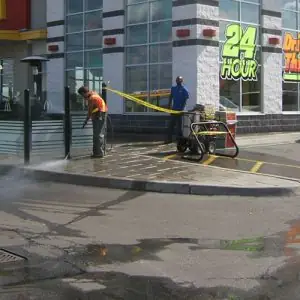
Pressure washing is a great from of interlocking protection that allows you to clean out debris and weed growth from between your interlocking before and after winter hits. Doing this during the fall will allow your stones to sit better so they are less vulnerable to the effects of winter. However, you should also pressure wash in the spring to clean out any debris, followed by filling the cracks with sand to prevent weed growth in the warmer months.
Use plastic shovels
During the winter, you should try to use plastic shovels to clean your walkways as opposed to metal or metal-edged shovels. This can prevent you from chipping or shifting the stones, making your interlocking more durable in the long run. If you can’t remove built up snow or ice with a plastic shovel, it may be best to leave it alone until it melts away.
Use ice melting agents sparingly
Sometimes snow and ice buildup can get so thick that even a shovel or ice pick can’t remove it. Instead of hacking away at your delicate interlocking, you may opt for an ice melting agent. However, salt and chemical ice melting agents can cause a handful of negative effects to your interlocking if it is not properly protected. These agents can be harsh and coarse, causing stains, chips, or shifts if used improperly, so less is more.
Make sure stones are flat
Laying interlocking requires the right knowledge and tools to ensure it lasts for as long as possible. When interlocking is laid, it sits upon a flat foundation that prevents it from shifting or developing gaps. However, freezing and thawing combined with pressure and weight of vehicles can cause damage to your interlocking if the stones are not laid flat. It’s important to make sure interlock walkways and driveways lay flat before the winter hits so that they don’t shift, crack, or develop gaps.
Sealant
Sealant is one of the most effective and affordable interlock protection methods. Whether you decide to do it yourself or hire a professional, sealant provides an extra layer of protection that prevents damage and looks great. However, a professional application usually involves resetting and re sanding your interlocking before it is sealed, allowing it to sit better and last longer.
Related Posts
- Top Rated Interlocking Driveway Sealing Companies In Burlington Reviews
- Interlock Repair Mississauga
- Deck Staining Cost Bowmanville
- Who Is The Best Patterned Concrete Sealing Company Near Markham
- Deck Staining Georgina
- Patterned Concrete Sealing Markham
- Interlocking Driveway Sealing
- How Much Does Graffiti Removal Cost In Scarborough
- Natural Stone Sealing Stoney Creek
- Commercial Fence Painting Brampton
- Is It Worth Getting Fence Staining Done Professionally In Markham
- Commercial Services: Everything You Need to Know
- Four Types of Driveway, Walkway & Patio Finishes
- Types of Garage Floor Coatings & Coverings
- The Benefits of Natural Stone and Pattern Concrete
- 5 Reasons Why You Need Interlock Stone Protection
- Businesses Should Invest in Commercial Services
- Why You Should Consider Epoxy Coatings
- Enhance Your Property with Natural Stone & Pattern Concrete
- Improve Your Business With Cleaning & Sealing Commercial Services
- How Epoxy Coating Can Protect Your Garage During Winter
- Top Interlock Sealer Designs and Looks
- Garage Floor & Epoxy Coatings: Enhance Your Space
- How to Prepare Your Interlocking Stone for Winter
- Protecting Your Wooden Deck This Winter
- How To Care For Your Interlock During Winter
- Five Best Tips for Protecting Your Deck Through Winter
- Pattern Concrete: Seasonal Care & Maintenance
- Interlock Sealing: The Best Time to Seal Your Interlocking
- Solve Your Outdoor Problems with Interlock
- Maintaining Your Interlock: Keep Your Backyard Beautiful
- How to Protect Your Stained Deck
- Pattern Concrete: Maintenance & Care
- Summer Deck Staining & Maintenance
- Is Interlocking Stone The Right Choice for You?
- Interlock Sealing: 7 Benefits of Proper Maintenance
- Concrete Pattern Trends for Summer 2017
- Interlocking Versus Concrete: What Is Right For Your Home
- Interlocking 101: Sealing and Maintenance
- The Four S’s of Spring Backyard Maintenance
- Interlocking Stone: Don’t DIY, Hire a Pro!
- 8 Reasons Late Spring is the Best Season to Stain your Deck or Fence
- How Deck Staining Extends The Life of Your Outdoor Space
- Maintaining Stamped Concrete: The Do’s and Don’ts
- Deck Staining
- Tips for Deck Staining
- Fench Staining
- Seal Tech Deck Staining Pro’s
- Power Washing Makes a Difference Before Fence Staining
- Need Deck Staining? Relax you got Seal Tech
- Leave this to Sealtech Experts
- Give Your Home Curb Appeal
- Why Interlocking Stone Sealing Works
- Why You Have To Seal Your Deck Immediately
- Fence Sealing Left to Pros
- Make the Deck Look Great Before Summer
- Seal Tech Deck Staining
- Why Regular Deck Staining Is Important?
- Sealtech is The Company to Call